
The reading problem
Start with a subject collection, narrow to a model record, read a source-based article and keep the evidence boundary in reach.
A current page and a saved description can both be useful while answering different questions. Record the version and the reason for the change rather than silently replacing the earlier account.
A practical example
Alibarbar Ingot 9000, Ingot 15000 and Pandora 7000 appear as separate directory entries. Shared visual styling does not make their records interchangeable.
Keep two versions separate
Write down the subject, the publisher, the exact source address and what remains unknown. When another account repeats the statement, check whether it supplies new evidence or simply points back to the same original.
What changed in the publication, and when was it checked?
A worked reading example: A changed description is a dated observation
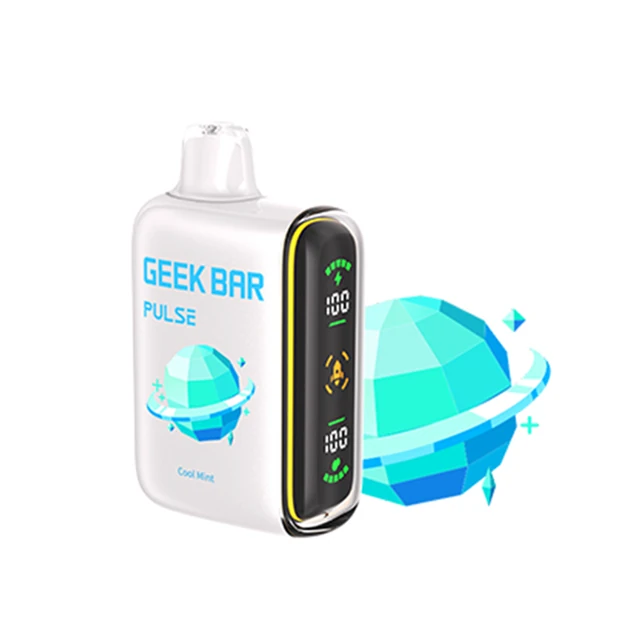
Imagine returning to a saved product source and finding that the heading or image is different. A new screenshot records the current page, while the earlier note records what was previously consulted. Neither should erase the other without explanation. Record the two access dates, the exact wording that changed and whether a new model identifier appeared. Do not infer that a physical product was revised simply because the publisher reorganized a directory. Conversely, do not assume an older quotation still describes the current listing. For PULSE and PULSE X, or the Ingot families, the exact label is the point that keeps a revision history intelligible.
Check the route through the edition
Use the internal brand and model pages to narrow the subject. Then follow the original source, return to the article and see whether its conclusion stays within the source scope.
Editorial takeaway: Describe the publication change before inferring a change to the object.
A boundary worth keeping
A changed page is a revision in the record, not proof that a physical device changed.
The linked product publishers describe their own materials. This publication provides a reading structure; it does not claim to have independently tested devices or certified a market status.
Continue with an original record
Checked 17 October 2026. Read the original source and its scope before extending the conclusion.